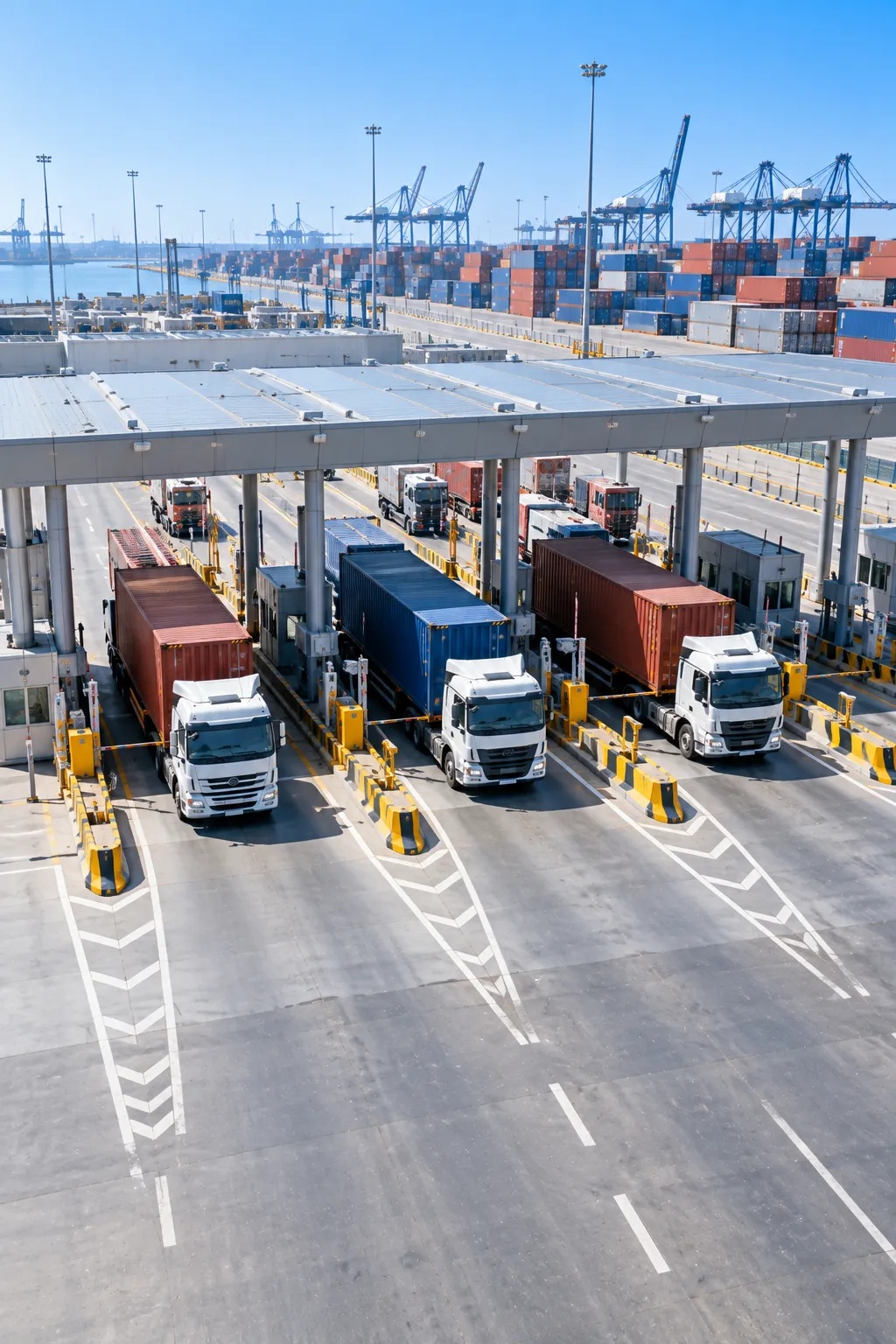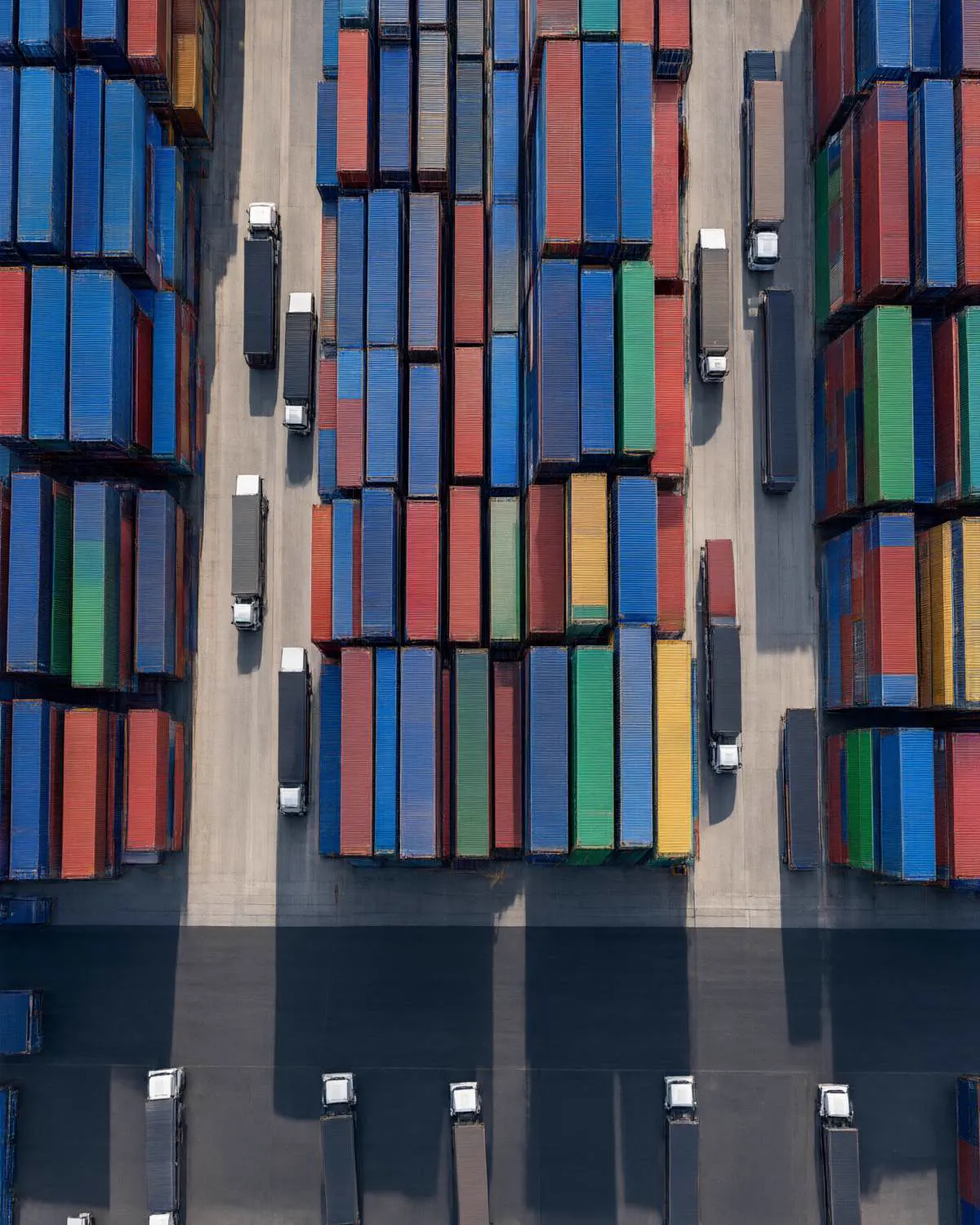

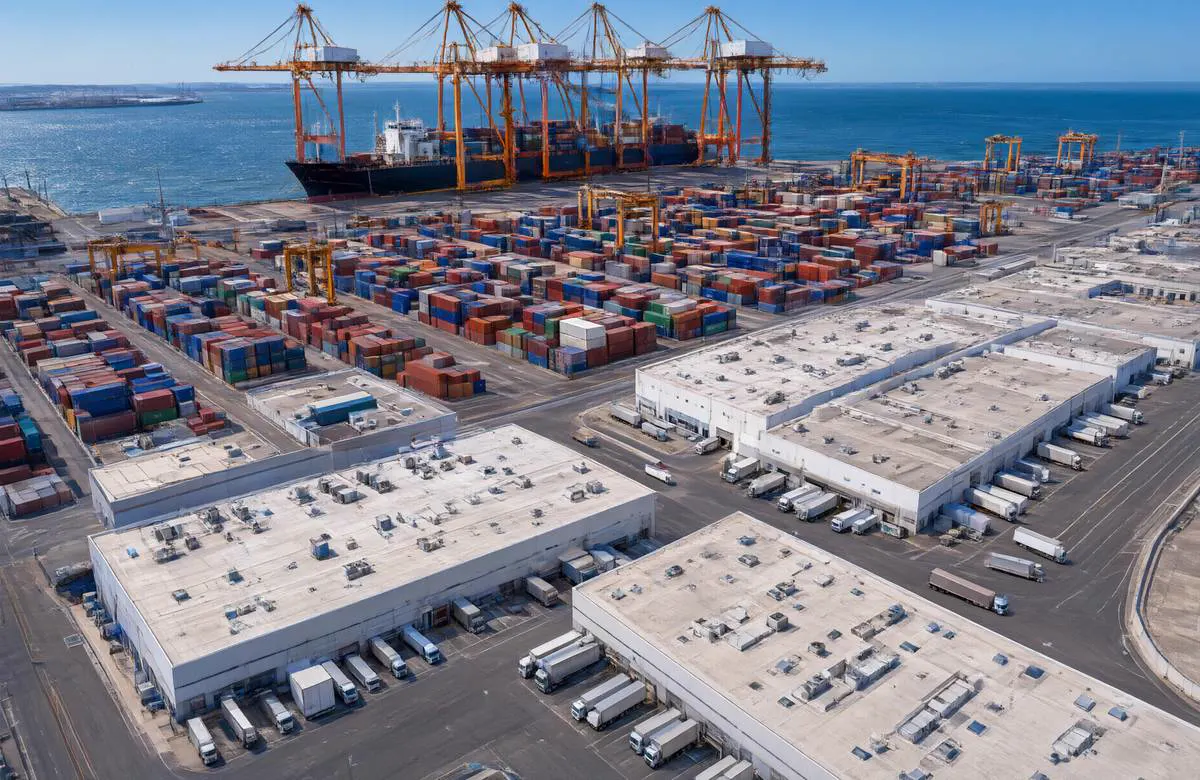
What is the difference between free zone and mainland clearance?
The difference is when duty is paid. Foreign goods can enter a Dubai free zone without customs duty. Goods imported into the mainland pay duty when they are cleared at the port or airport.
Where your company is licensed decides which route applies. A free zone company brings goods into its zone. A mainland company imports into the local market.
How clearance works for a free zone company
Goods from any country can be brought into a free zone without customs duty or taxes. The owner named in the documents must hold a free zone licence.
Some goods are not allowed into free zones under the GCC Customs Law, so check before you ship.
- Bill of lading or airway bill
- Commercial invoice
- Certificate of origin
- Packing list
- Delivery order
How clearance works for a mainland company
A mainland importer clears goods into the local market and pays duty at import. The GCC common tariff is 5 percent of the CIF value on most foreign goods, and VAT of 5 percent is charged on top.
- Bill of lading or airway bill
- Commercial invoice
- Certificate of origin
- Packing list
- Delivery order for sea cargo
- Permit where the goods need one
Moving goods from a free zone to the mainland
When goods leave a free zone for the mainland, they are declared as an import to local from the free zone and the duty is paid. The declaration is filed by a registered local importer or an authorised customs broker.
- Delivery advice
- Invoice
- Packing list
- Permit for restricted goods, if any
Registering with Dubai Customs
Both kinds of company register with Dubai Customs through the Dubai Trade portal. You provide a valid trade licence and receive a business code. The code stays valid for as long as the licence does.
Which one suits your trade
A free zone suits stock held for re export, because duty is not paid on goods that leave the UAE again. The mainland suits goods sold inside the UAE.
Checked against the Dubai Customs customer guide on 6 October 2026.